
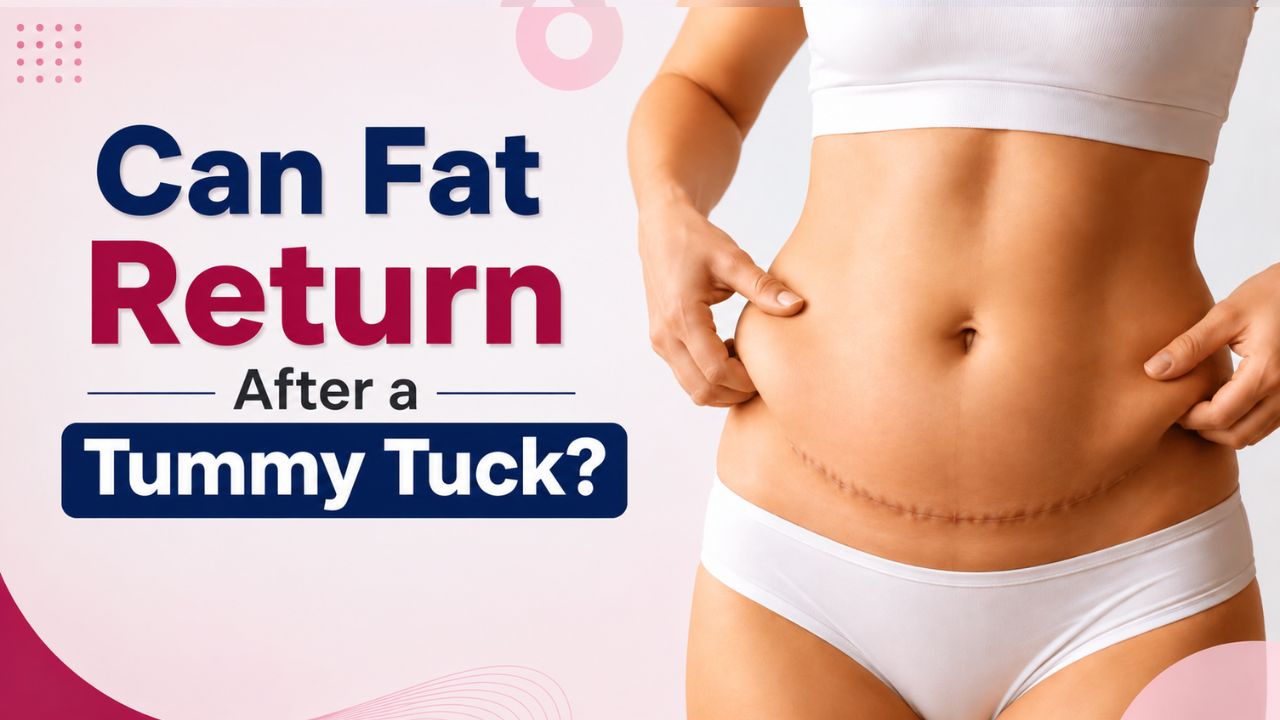
A tummy tuck or abdominoplasty, if you want to get technical, is one of the more popular cosmetic surgeries out there. It helps flatten and firm up the stomach by removing excess skin and tightening the abdominal muscles. A lot of people go for it after pregnancy, major weight loss, or when no amount of diet and exercise seems to fix the loose skin around the belly.
But can the fat return after a tummy tuck?
The honest answer? It’s a bit of both yes and no. Let’s know more about it.
What Happens During a Tummy Tuck?
A tummy tuck is a surgical procedure designed to improve the appearance of the abdomen. During the surgery, your surgeon removes excess skin and fat from the lower and middle belly. Sometimes, during pregnancy or significant weight changes, the abdominal muscles get separated. A tummy tuck can tighten those up too. The result is a more toned-looking midsection.
Before diving deep into this topic, you should remember that a tummy tuck is different from liposuction. Lipo is mainly about removing fat while a tummy tuck goes further. It also deals with loose skin and weakened muscles. That’s why it’s often recommended for people who still have sagging skin even after losing weight or giving birth.
That said, the surgery doesn’t do anything to stop future weight gain. How long your results last really comes down to what you do after recovery. To be precise, the lifetime of the results depends on lifestyle habits post-surgery.
Can Fat Come Back After a Tummy Tuck?
A tummy tuck removes a certain number of fat cells from the treated area, and those fat cells do not grow back. However, the remaining fat cells in your body can still expand if you gain weight after surgery. So while the exact fat that was removed won’t return, your belly can still look fuller again if your overall body fat goes up.
The body stores fat in many areas, not just the stomach. It can settle in your abdomen, waist, back, or elsewhere in your body. It can soften the contoured look you worked hard to achieve.
Think of a tummy tuck more as a shaping or contouring surgery. People who keep their weight stable after the procedure tend to enjoy their results for years. Those who gain a significant amount of weight afterwards often find that some of those benefits fade.
The surgery does not affect fertility or the reproductive organs in any way. It only targets the skin, fat, and abdominal muscles. If you are planning to have children in the near future, discuss with your surgeon before scheduling the procedure.
Again, a tummy tuck is not a weight-loss treatment. It is best considered a contouring procedure. Patients who maintain a stable weight often enjoy long-lasting results for many years. On the other hand, significant weight gain after surgery may reduce the visible benefits of the procedure.
Why Some People Gain Weight Again
Weight gain after a tummy tuck usually happens for the same reasons people gain weight in general. Surgery does not change metabolism, eating habits, or activity levels. If a person consumes more calories than they burn, the body stores the extra energy as fat.
Common reasons include poor diet choices, lack of regular exercise, hormonal changes, stress, or certain medical conditions. Some people also assume that surgery permanently protects them from gaining weight, which can lead to relaxed lifestyle habits.
After the recovery period, it is important to remember that the body still responds normally to weight fluctuations. Significant lifestyle changes, such as inactivity or overeating, can affect the surgical outcome over time.
A tummy tuck can improve shape, but long-term success depends on maintaining healthy daily routines. If you’re still planning to have kids, it’s worth having that conversation with your surgeon before booking anything.
How to Maintain Tummy Tuck Results
The best way to preserve tummy tuck results is to maintain a stable body weight. Since the surgery is designed to contour the abdomen, large changes in weight can alter the final appearance.
Healthy eating plays a major role. A balanced diet rich in vegetables, lean proteins, fruits, and whole grains can help prevent unnecessary weight gain. Regular hydration and portion control are also useful.
Exercise is equally important. Once your surgeon clears you for physical activity, a consistent routine can help maintain muscle tone and overall body composition. Walking, strength training, and core-focused exercises are commonly recommended.
It is also wise to avoid crash diets or frequent weight fluctuations. Rapid gain and loss can stretch the skin and affect the surgical results. Routine follow-ups with your surgeon can help monitor healing and guide you on long-term care.
With proper habits, many people maintain their tummy tuck results for several years. The underlying truth is that your body still works the same way it always did. The surgery changes how you look; it doesn’t rewrite how your body functions.
Diet and Exercise After Surgery
After a tummy tuck, diet and exercise are essential for recovery and maintaining results. During the initial healing phase, patients should follow the surgeon’s instructions regarding movement and food intake.
A nutritious diet supports healing by providing the body with vitamins, protein, and hydration. Avoiding excessive processed foods, sugary snacks, and high-calorie meals can prevent weight gain.
Exercise should begin gradually. Light walking is usually encouraged early to support circulation. More intense workouts should only start after medical approval. Once fully healed, combining cardio and strength training can help keep the abdomen toned and reduce the chance of fat accumulation.
Consistency beats intensity. You don’t have to go all out; you just have to keep showing up.
Does Pregnancy Affect Tummy Tuck Results?
Pregnancy can affect the results of a tummy tuck because the abdomen naturally stretches to accommodate the growing baby. This stretching can loosen the skin and separate the abdominal muscles again.
As a result, the flatter and tighter appearance achieved through surgery may change after childbirth. Some women still retain good results, while others notice sagging skin or a protruding abdomen afterward.
This is why timing matters. If pregnancy is in your plans, it’s usually better to wait until after you’re done having children. If a pregnancy does happen after your tummy tuck, healthy postpartum habits. Iff needed, a revision procedure can help restore the look.
Difference Between Fat Gain and Loose Skin
Fat gain and loose skin are often confused, but they are different issues. Fat gain occurs when the remaining fat cells in the body enlarge due to weight increase. This makes the abdomen appear fuller or rounder.
Loose skin, on the other hand, refers to stretched or sagging skin that may happen after weight loss, aging, or pregnancy. It is not caused by fat itself.
A tummy tuck mainly improves loose skin and muscle laxity, while also removing some fat. If the abdomen changes after surgery, it is important to determine whether it is because of new fat accumulation or skin looseness. The treatment options may be different.
When Should You Consult a Surgeon?
You should consult a surgeon if you notice significant changes in your abdominal shape after a tummy tuck, especially if the area becomes enlarged, uneven, or develops loose skin again.
A surgeon can assess whether the changes are due to weight gain, scar tissue, muscle separation, or natural skin stretching. Early consultation is also helpful if you are planning a pregnancy or major weight loss after surgery.
Regular follow-up appointments are important even when everything seems normal. These visits allow the surgeon to monitor healing and advise on maintaining your results safely.
If you are considering revision surgery, a professional evaluation is necessary before making any decision.
Need Professional Guidance?
If you are considering a tummy tuck or have concerns about maintaining your results, speak to an experienced surgeon. Professional consultation helps you understand what to expect and how to care for your body after surgery. If you are exploring abdominoplasty in Kolkata, consult a qualified plastic surgeon who can help you make a better decision.